Two things are true about property insurance in 2026, and confusing them will cost you at renewal.
The commercial market is soft and getting softer. Marsh’s Global Insurance Market Index put property rates down 12% globally in the second quarter of 2026, with overall commercial rates down 6% — the eighth consecutive quarter of decline, driven by surplus capital, cheaper reinsurance, and insurers competing on terms as well as price. Buyers are being offered broader coverage, expanded terms, and lower deductibles, not just a smaller number.
Meanwhile the personal lines market is going the other way. Insurify projects roughly a 13% increase in home insurance premiums for 2026, the fifth consecutive annual rise, driven heavily by hail and severe convective storm losses in states like Nebraska, Kansas, Colorado, Oklahoma, Missouri, and Texas.
Those two facts get blended in general-interest coverage into “property insurance is getting more expensive,” which is the wrong frame for anyone renewing a commercial schedule. If you own or manage structured parking and your renewal came back flat or up in a market that is down 12%, the market is not the explanation. Your submission is.
Why structured parking underwrites badly by default
A parking structure is an unusual asset from an underwriting seat. It is high-value concrete with very little in it, mostly unoccupied, largely unsprinklered in open configurations, and exposed to a loss set that does not map neatly onto standard commercial property modelling.
Underwriters price what they can see. What they usually see on a parking asset is a line on a statement of values with a replacement cost, a construction type, and a year built. That is thin, and thin submissions get priced conservatively — which in a soft market means you receive the average of a class rather than the benefit of being better than it.
The loss drivers that actually matter on these assets are specific and documentable:
Water. Deck drainage failures, clogged drains, and joint-sealant degradation produce slow water damage to the structure and sudden damage to anything below. This is the most common structured-parking claim and the most improvable.
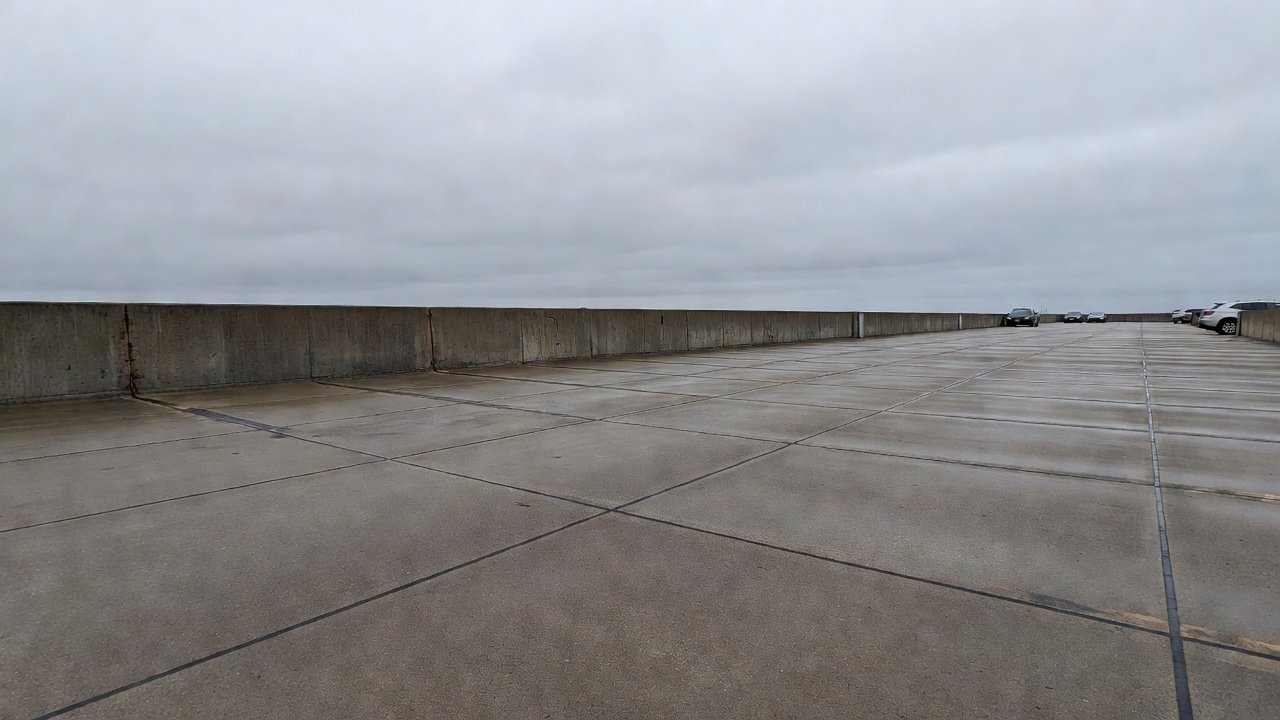
Hail and wind on the top deck. The uppermost level is an exposed roof that nobody treats as one. In convective-storm states this is where severity concentrates, on the deck surface and on any rooftop equipment sited there.
Vehicle fire. Fire load in a modern garage is higher than the code assumptions many of these structures were designed against, and battery-electric vehicle fires have changed the conversation about suppression and about where charging equipment is sited.
Impact and structural. Barrier and column strikes, and in older post-tensioned structures, corrosion-driven deterioration that reads to an underwriter as an unknown until an engineer has documented it.
What a submission that earns soft-market pricing contains
The renewal package is the product you are selling. In a competitive market, the differentiated submission gets the differentiated quote — and this is the year to build one, because carriers have appetite and are looking for reasons to write business.
A current, engineered valuation. Not an escalated prior-year number. Replacement cost on structured parking has moved substantially with concrete, steel, and labour, and both directions of error hurt: undervaluation triggers coinsurance penalties at claim time, overvaluation just costs premium every year. A third-party valuation dated within two years is the single strongest document in the file.
A deck condition report. A structural engineer’s assessment of the deck, joints, sealants, and post-tensioning, with the remediation plan and the money committed to it. This converts an unknown into a managed risk.
Drainage and water-management evidence. Drain cleaning frequency, joint-sealant replacement cycle, and any deck coating or waterproofing programme with dates. This is the cheapest credibility in the package because it is operational, verifiable, and directly addresses the most frequent claim type.
Your EV charging documentation. Number and location of chargers, whether they sit on the top deck or below grade, separation distances, detection, and what the fire department knows about it. Carriers are actively asking. Answering before you are asked reads as control.
Loss history with the corrective action attached. A clean five years is good. A loss with a documented fix is often better than an unexplained clean run, because it shows the operation notices and responds.
Where rates genuinely are still rising
Hail-exposed geography is the real exception, and it is a geographic exception rather than a market-wide one. Severe convective storm has become the loss driver that reshapes pricing in the central corridor, and carriers have responded with percentage deductibles on hail and wind rather than flat dollar amounts. On a $30 million parking structure a 2% wind-and-hail deductible is $600,000 of retained exposure that a flat $100,000 deductible did not carry.
Check the deductible structure before you celebrate the rate. A renewal that shows a rate decrease and a shift from flat to percentage deductibles on the exposed perils is not a cheaper policy; it is a different policy. Model it against your actual loss history before you accept it.
The budgeting posture for FY2027
Do not budget a portfolio-wide decrease. Budget property flat to modestly down for non-hail-exposed assets, flat to up for anything in the convective corridor, and hold the savings against deductible increases rather than releasing them.
Then spend a little of it on the submission. An engineered valuation and a deck condition report together cost less than a single percentage point on most structured-parking schedules, and they are the two documents most likely to move a quote in a market where carriers are looking for reasons to compete. The soft market is real. It reaches the accounts that make themselves easy to underwrite.